
💰 Quick Context: Dutch Island, US Dollars, Two Visitor Charges
Bonaire has been a special municipality of the Netherlands since 2010, and since 2011 its currency has been the US dollar, not the euro. Visitors aged 13 and over pay a $75 Visitor Entry Tax, by card only, online or at the airport, and anyone diving, snorkelling or entering Washington Slagbaai National Park needs the $40 STINAPA nature fee. Cards are taken almost everywhere, and the island's bank machines dispense dollars.
🎧 Order US Dollars Before You Fly
Bonaire uses US dollars, so Americans have nothing to order. A Wise card covers euro and other visitors.
Order USD → CEI Currency ExchangeA Dutch Island That Uses Dollars
The 2010 switch. When the Netherlands Antilles was dissolved on 10 October 2010, Bonaire, together with Saba and Sint Eustatius, became a special municipality of the Netherlands, the "Caribbean Netherlands". Three months later, on 1 January 2011, it dropped the Antillean guilder for the US dollar. The euro was considered and rejected: the island's tourism, imports and economy were already tied to the dollar.
What that means for visitors. For Americans there is nothing to exchange; prices are in dollars, and change comes in American coins. For Dutch visitors it is a surprise: a trip to a Dutch municipality where nothing is priced in euros, the post goes through a separate system and the bank card at home treats it as abroad.
The ABC muddle. Bonaire's neighbours do not match. Aruba uses the Aruban florin, and Curacao the new Caribbean guilder, introduced in 2025. US dollars are accepted on both, but change comes in local money. If you are island-hopping, keep the dollars for Bonaire.
The $75 Visitor Entry Tax
Paid once per visit. Since July 2022, Bonaire has charged a Visitor Entry Tax instead of the old per-night hotel tax. It costs $75 per person aged 13 and over and $10 for children aged 12 and under, and covers one visit of up to a month. Cruise passengers pay a reduced rate, collected by the cruise line.
Card only. Pay online on the government's tourism tax site, which opens seven days before arrival, or at the Entry Tax counter at Flamingo Airport. Both accept credit and debit cards only; cash is not accepted. Paying ahead saves a queue after a long flight.
Who it goes to. The tax is collected by the island government, not by hotels or tour operators, so do not expect to see it on your hotel bill. Keep the confirmation email with your passport.
The $40 STINAPA Nature Fee
A separate charge. Bonaire's reefs are a protected marine park, run by the foundation STINAPA, and almost everyone who comes here goes in the water. The nature fee costs $40 per person and is valid for the calendar year. It is required for diving, snorkelling, swimming, kayaking and windsurfing in the marine park, and for entry to Washington Slagbaai National Park.
How to pay. Buy it online by card before you travel, or at a dive shop on arrival. You receive a tag or a digital proof; rangers check it at dive sites and at the park gate. Children under 13 are generally exempt.
So, a dive trip in fees. A couple diving for a week pays $150 in entry tax and $80 in nature fees before the first tank. Budget for both.
Why Dutch and European Cards Charge a Fee Here
Netherlands, but not the EU. Bonaire is part of the Netherlands but is an overseas territory outside the European Union, and it uses dollars. Dutch and other European banks therefore process a payment or withdrawal in Bonaire as a non-euro transaction: you pay the bank's exchange margin and, depending on the account, a fee for paying or withdrawing outside the eurozone.
For American cards. A dollar purchase from a Bonaire merchant is still a purchase made abroad, and most US issuers apply their foreign transaction fee, often 3 percent, even though no currency changes hands. A card with no foreign transaction fee avoids it.
The dollar-or-euro screen. Some terminals offer European cards the option to pay in euros. Choose dollars: the terminal's rate is worse than your own card's. Our DCC explainer covers the arithmetic.
Cash vs. Card in Bonaire
Cards almost everywhere. Hotels, dive shops, restaurants, the supermarkets and car hire desks take Visa and Mastercard, and contactless is common. Many dive operators add a small card surcharge or offer a cash discount.
Cash for the small things. Carry $40 to $80 for the snack trucks and truki pan food vans, small local restaurants in Rincon, the occasional beach bar, the water taxi to Klein Bonaire, roughly $20 to $30 return, and tips. Small notes help; $50 and $100 bills are unpopular.
The supermarket bill. Almost everything is imported, so groceries cost more than in the US or the Netherlands, and Dutch brands sit next to American ones. Self-catering divers find the large supermarkets on the edge of Kralendijk the cheapest.
Best ATMs to Use in Bonaire
Bonaire's machines dispense US dollars. Expect a fee from the machine's owner, shown on screen, plus whatever your own bank charges. There is no Bank of America Global ATM Alliance partner on the island.
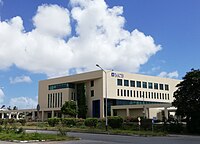
MCB (Maduro & Curiel's Bank)
The largest bank in the former Netherlands Antilles, with the most branches and machines on Bonaire, in Kralendijk and at the larger supermarkets.
Top Pick
RBC Royal Bank
The Canadian bank's Caribbean arm has machines in central Kralendijk. A reliable alternative when an MCB machine is empty.
Recommended
Banco di Caribe
A Curacao-based bank with a Kralendijk branch and machine. Accepts foreign cards; fees can be a little higher.
RecommendedMachines in Kralendijk sometimes run out of cash on busy weekends and cruise-ship days. Rincon, the island's other town, has very few. See our Bonaire airport guide for arrivals.
Pickup Trucks, Shore Diving and Getting Around
A pickup and a tank. Bonaire's reefs start a few metres from the road, and the island's signature is shore diving: hire a pickup truck, collect tanks from your dive shop, and drive to the yellow-painted stones that mark the sites. Truck hire costs roughly $60 to $90 a day, by credit card with a deposit. Dive shops sell unlimited shore-diving packages by the week.
Leave nothing in the truck. Theft from parked cars at dive sites is common enough that locals leave windows down and the cab empty. Take nothing you would mind losing, including cash and cards.
Taxis. There is no public bus for visitors. Taxis charge fixed fares set by the island; the ride from the airport to Kralendijk hotels costs roughly $15 to $25. Confirm the fare before setting off.
Tipping in Bonaire
Check for a service charge. Many restaurants add a service charge of 10 to 15 percent; if they have, a small extra for good service is enough. If not, leave 10 to 15 percent. Dive guides and boat crews are tipped in the American way, a few dollars a dive or $20 to $40 at the end of a week, in cash.
Frequently Asked Questions
What currency does Bonaire use?
The US dollar. Bonaire became a special municipality of the Netherlands in 2010 and switched from the Netherlands Antillean guilder to the US dollar on 1 January 2011. It does not use the euro. Its ABC neighbours differ: Aruba uses the Aruban florin and Curacao the Caribbean guilder.
How much is the Bonaire entry tax?
75 US dollars for visitors aged 13 and over, and 10 dollars for children aged 12 and under, paid once per visit. It is paid online up to seven days before arrival or at a counter in the airport, by credit or debit card only; cash is not accepted. Cruise passengers pay a lower rate through the cruise line.
What is the Bonaire nature fee?
A 40 dollar fee charged by STINAPA, the island's parks foundation, for anyone who dives, snorkels, swims or kayaks in the marine park, or enters Washington Slagbaai National Park. It is valid for the calendar year and is bought online or at dive shops. You get a tag or a digital receipt as proof.
Will my European or Dutch bank card charge a fee in Bonaire?
Probably. Although Bonaire is part of the Netherlands, it is outside the European Union and uses dollars, so Dutch and other European banks treat card payments and withdrawals there as non-euro transactions and add their currency conversion and foreign fees. Check your bank's terms, or use a card without them.
Do I need cash in Bonaire?
Very little. Hotels, dive shops, restaurants, supermarkets and car hire take cards. Carry 40 to 80 dollars for snack trucks, small local restaurants, the occasional beach bar, the Klein Bonaire water taxi and tips.
Which ATMs should I use in Bonaire?
Machines from MCB (Maduro & Curiel's Bank), RBC Royal Bank and Banco di Caribe in Kralendijk, which dispense US dollars. Expect a fee from the machine's owner plus your own bank's charges. Withdraw before the weekend, when machines sometimes run out. There is no Bank of America Global ATM Alliance partner on Bonaire.
Bonaire money toolkit
Deep-dive guides for specific banks, airports, and traveler nationalities in Bonaire. Each one builds on this overview with card-by-card fee math, exact ATM locations, or terminal-by-terminal directions.
Go deeper: Bonaire and the Caribbean Netherlands
Bonaire is the B in the ABC islands, and each of the three uses a different currency. If you are combining them, or arriving through Curacao, the guides below cover the florin and the guilder. Saba and Sint Eustatius, the other two Caribbean Netherlands islands, also use the US dollar.
Hero photo: sunset on the Kralendijk waterfront, Bonaire, by Senor Luis Bertran, CC BY-SA 4.0, via Wikimedia Commons.