
💰 Quick Context: The Nepalese Rupee
Nepal uses the Nepalese Rupee (NPR / रू), which is pegged to the Indian Rupee at 1 INR = 1.6 NPR. A cup of tea costs 30–80 NPR, a restaurant meal 300–800 NPR, and a hotel night 2,000–10,000 NPR (budget to mid-range). Quick math: divide by 135 to get US dollars. 1,000 NPR is about $7.50. Nepal is one of the cheapest destinations in Asia. Kathmandu's Thamel district has some card acceptance, but the vast majority of the country operates on cash. Trekking areas are entirely cash-only.
🎧 Order Nepalese Rupee Before You Fly
Have cash in hand when you land. Insured delivery, 2–5 day shipping.
Order NPR → CEI Currency ExchangeCash vs. Card: What to Expect in Nepal
Nepal is a very cash-heavy country. Kathmandu's Thamel district and Durbar Marg have growing card acceptance at hotels, tourist restaurants, and larger shops. Pokhara's Lakeside area is the second most card-friendly zone, with restaurants and hotels increasingly accepting Visa and Mastercard.
Cash is needed almost everywhere else. Local restaurants, taxis, rickshaws, temples (including Pashupatinath and Boudhanath entry fees), markets like Asan Bazaar, buses, and all trekking areas (tea houses, permits, porters, guides) require cash. Trekking is completely cash-only with no card terminals on any route. Carry enough NPR for your entire trek before you leave the city.
Daily budget guide: For Kathmandu sightseeing, 5,000–10,000 NPR per day is comfortable. For trekking, budget NPR 3,000–5,000 per day (food, accommodation, drinks) plus permits, guide/porter tips, and emergency funds.
The Easiest Upgrade to How You Spend Abroad
A Wise account charges zero foreign transaction fees, converts at the real mid-market rate, and lets you tap to pay or pull cash worldwide. Set it up once and stop leaking money on every trip abroad.
Get the Wise Card →Free account, ~$9 card fee. Prefer cash in hand? Order local currency before you fly →
How to Get Rupees for Your Nepal Trip
Nepal is one of the most cash-driven countries in South Asia. Cards work in Kathmandu's Thamel district hotels, Durbar Marg upscale restaurants, and a few Pokhara Lakeside hotels and tour operators. Everything else is cash: local restaurants, taxis and rickshaws, the temple entry fees at Pashupatinath and Boudhanath, market stalls at Asan Bazaar, intercity buses, and the entire trekking economy. Trekking is 100% cash-only: every tea house on the Annapurna Circuit and Everest Base Camp route, every permit fee, every porter and guide tip needs Nepalese rupees in hand. Plan to withdraw enough cash in Kathmandu before flying to Lukla or driving to Besisahar. Two cheap routes for getting NPR: pre-order if you can, or pull from a Standard Chartered or Nabil Bank ATM after landing.
Bring USD or order rupees before you fly
For pre-arrival NPR, two paths. A currency-exchange service like CEI Currency Exchange may stock Nepalese rupees on request, with insured 2–5 day delivery. Most US home banks (Bank of America, Chase, Wells Fargo, Citi) generally do not stock NPR. Backup that works in Nepal: pack USD $200–500 in clean post-2009 bills (large denominations get noticeably better rates) and exchange at a Thamel-area licensed money-changer on landing. Nepal does not have a Bank of America Global ATM Alliance partner. The cleanest setup for most Nepal trips: pack USD as exchange backup; use a Wise card at the few card-accepting Thamel hotels; pull rupees from Standard Chartered or Nabil Bank ATMs in Kathmandu before any trekking; budget enough cash to cover the entire trek with 30% buffer because there are no ATMs above ~3,000m.
Withdraw from a Nepalese bank ATM
On the ground, the cheapest source of NPR is a major Nepalese bank ATM. Standard Chartered Nepal, Nabil Bank, Himalayan Bank, and Nepal Investment Bank all give the actual interbank rate with no markup. Most charge a per-transaction operator fee for foreign cards (typically NPR 500–700, posted on the screen before you confirm). Withdrawal limits are notably low (NPR 10,000–25,000 per transaction, roughly $75–185), so multiple withdrawals are often needed. ATMs cluster in Kathmandu (Thamel, Durbar Marg, Lazimpat, around the Boudhanath stupa) and Pokhara (Lakeside, Phewa Lake area). Once you leave the cities, ATMs disappear entirely: there are zero functioning ATMs above Lukla on the EBC route, none on the Annapurna Circuit beyond Besisahar, and none in most rural Terai towns. Two procedural rules: stick to ATMs inside bank branches, in the Civil Mall, or at major hotel lobbies; and decline DCC every time the screen offers "charge in USD". See the Best ATMs section below for the bank-by-bank lineup. Want to know what a Standard Chartered Nepal withdrawal will actually cost on your card after fees? Drop it into our ATM fee calculator.
Airport counters & Thamel exchange touts
Three traps to walk past in Nepal, and one important exception. The currency-exchange counters in arrivals at KTM (Kathmandu Tribhuvan International) advertise rates that look reasonable but routinely run 5–10% off the interbank rate. Honest exception worth knowing: licensed money-changers along Thamel's main streets (Tridevi Marg, J.P. Road) often offer the country's tightest USD-to-NPR spreads if you've brought clean USD, often 1–3% off the interbank rate; Annapurna Money Changer and various other licensed shops are widely used. The unlicensed touts in front of Boudhanath and around Durbar Square use the "no commission" framing while baking the markup into the rate. Third, the standalone independent ATMs at smaller hotel arcades along Thamel's tourist strip layer DCC pitches and operator fees on top. Stick to bank-branded ATMs at Standard Chartered Nepal, Nabil, Himalayan, or Nepal Investment Bank; decline DCC; and licensed Thamel money-changers are the one acceptable cash-to-cash route. Nepal does not yet have a city-specific guide on this site, but the Best ATMs section below covers the bank lineup.
For a side-by-side comparison of every method (bank wire, travel card, pre-order, ATM, exchange counter) including USD-to-NPR timing tips, see our complete Getting Currency guide →.
Best ATMs to Use in Nepal
Nepalese ATMs often have low withdrawal limits of 10,000–25,000 NPR per transaction (roughly $75–185), so multiple withdrawals may be needed. ATMs are concentrated in Kathmandu and Pokhara. Always choose NPR when prompted.
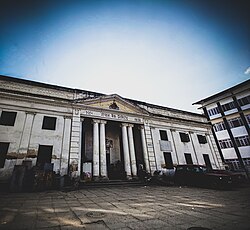
Nepal Bank Limited
Nepal's oldest and government-owned bank with wide ATM coverage across the country. You will find Nepal Bank ATMs in Kathmandu, Pokhara, and most district headquarters throughout Nepal.
Recommended
Nabil Bank
Nepal's largest private bank with reliable ATMs in cities and major towns. Nabil Bank ATMs are common in Thamel, Durbar Marg, Pokhara Lakeside, and at Tribhuvan International Airport. Tends to allow the highest withdrawal limits for foreign cards.
Recommended
Standard Chartered Nepal
An international bank with a strong presence in Nepal. Standard Chartered ATMs are well-maintained and tend to work reliably with foreign cards. Located primarily in Kathmandu (Durbar Marg, Lazimpat) and Pokhara.
Recommended⚠ Watch Out for Dynamic Currency Conversion (DCC)
DCC is rare in Nepal but can occur at some ATMs and hotels in Thamel and Lakeside that cater to tourists. If an ATM or card terminal offers to charge you in USD instead of NPR, always decline. Choosing USD means accepting a 3–8% markup hidden in their exchange rate. Always select "NPR" or "local currency" at every prompt.
ATMs to Avoid in Nepal
With Nepal's already low ATM withdrawal limits, extra fees from unreliable machines add up quickly.
Standalone Unbranded ATMs
Unbranded machines found in shops and along Thamel's narrow streets may charge higher fees and have lower reliability with international cards. With withdrawal limits already capped at 10,000–25,000 NPR, extra fees eat a significant percentage. Use a named bank ATM (Nabil, Nepal Bank, Standard Chartered) instead.
AvoidPaying by Card in Nepal
Card Networks
Visa and Mastercard are accepted at hotels, tourist restaurants, and larger shops in Kathmandu (Thamel, Durbar Marg) and Pokhara (Lakeside). Acceptance is very limited elsewhere in the country. American Express works at a small number of upscale hotels in Kathmandu, but do not rely on it. Discover has virtually no acceptance in Nepal.
Contactless & Mobile Payments
Contactless payments are very rare in Nepal. Even in Kathmandu, most card terminals do not support tap-to-pay. Expect to insert your card and enter a PIN. Apple Pay and Google Pay are virtually nonexistent. Domestic mobile wallets like eSewa and Khalti are popular among locals but generally not available to foreign visitors without a Nepali phone number and bank account.
Where Cards Will Not Work
Trekking routes are entirely cash-only: tea houses, lodges, permit checkpoints, and all services along trails accept nothing but NPR cash. Local restaurants and street food outside of Thamel and Lakeside are cash-only. Taxis and rickshaws require cash everywhere. Temples and cultural sites (Pashupatinath, Boudhanath, Bhaktapur Durbar Square) charge entry fees in NPR cash. Markets including Asan Bazaar and Indra Chowk in Kathmandu are entirely cash-based.
Tipping in Nepal
Tipping Guide
Tipping is not traditionally expected in local restaurants, but is appreciated in Thamel, Lakeside, and other traveler hubs. At tourist restaurants in Thamel and Lakeside, 10% is generous for good service. Some upscale restaurants add a service charge to the bill.
Trekking guides receive $10–15 USD equivalent per day. This is an important and expected part of trekking culture. Porters receive $5–10 per day. Porters work extremely hard carrying 20–30 kg loads at altitude, and tips are a meaningful part of their income. For a 12-day Everest Base Camp trek, budget around $150–180 for guide tips and $60–120 for porter tips. Hotel porters receive 100–200 NPR for assisting with luggage. Taxis: round up to the nearest convenient amount. Always tip in NPR cash.
Kathmandu, Pokhara & the Trekking Trails: Practical Money Tips
Things to Know
For city-specific tips, see our Kathmandu money guide covering Thamel ATMs, temple entrance fees, and trekking gear costs.
Carry enough cash for your entire trek before leaving the city. ATMs exist in Lukla and Namche Bazaar (Everest region) and along the Annapurna Circuit, but they frequently run out of cash during peak season (October–November, March–April) and lose power during outages. Never depend on mountain ATMs.
USD and EUR cash can be exchanged at money changers in Thamel at competitive rates close to the official Nepal Rastra Bank rate. Bring clean, undamaged bills ($100 notes get slightly better rates). Torn or marked notes may be refused. Compare 2–3 shops before committing. Avoid exchanging at Tribhuvan Airport, where rates are 3–5% worse.
Indian Rupees are accepted in many border areas and some Kathmandu shops, thanks to the currency peg. Only notes up to 500 INR denomination are accepted. 2,000 INR notes are not legal tender in Nepal.
Trekking permits require NPR cash. TIMS cards and national park entry fees (Sagarmatha, Annapurna Conservation Area, Langtang) must be paid in NPR at checkpoints. Airport ATMs at Tribhuvan International Airport (KTM) include Nabil Bank machines in the arrivals area, but they can be unreliable during busy periods. Have USD cash as backup for exchanging in Thamel.
Money Safety in Nepal
Staying Safe
Nepal is generally safe, but carry cash carefully on treks. Use a money belt or inside pocket, especially in crowded areas like Thamel and Asan Bazaar. Use hotel safes in cities to store extra cash and backup cards. Do not carry your entire trek budget on your person while exploring Kathmandu.
Split your cash between different locations (daypack, money belt, locked bag) during treks in case of loss or theft on the trail. Be aware of counterfeit notes: check for watermarks and security features, especially on 500 and 1,000 NPR bills received from money changers.
Bring a backup card on a different network. ATMs in Nepal can be finicky with foreign cards, so having both a Visa and a Mastercard gives you options if one is rejected. Nepal is uncommon enough on some fraud detection systems that your bank may freeze your card without notice. Consider alerting them before departure.
Frequently Asked Questions
How much cash should I carry for trekking in Nepal?
Carry your entire trek budget in NPR cash before leaving Kathmandu or Pokhara. There are no card terminals on trekking routes. ATMs exist in Lukla and Namche Bazaar (Everest region) but frequently run out of cash or lose power. Budget NPR 3,000–5,000 per day for tea house treks (food, accommodation, drinks) plus permits, guide/porter tips, and emergency funds.
Can I use Indian Rupees in Nepal?
Yes, Indian Rupees are accepted in many border areas and some Kathmandu shops, thanks to the currency peg (1 INR = 1.6 NPR). However, only notes up to 500 INR denomination are accepted. 2,000 INR notes are not legal tender in Nepal. For most travel, you are better off using NPR.
Are there ATMs on the Everest Base Camp trek?
There are ATMs in Lukla and Namche Bazaar, but they are unreliable. They frequently run out of cash during peak trekking season (October–November, March–April) and lose power during outages. Never depend on mountain ATMs. Withdraw all the cash you need in Kathmandu before flying to Lukla.
How much should I tip a trekking guide and porter?
Trekking guides typically receive $10–15 USD equivalent per day, and porters $5–10 per day. Tips are an important and expected part of trekking culture in Nepal. For a 12-day Everest Base Camp trek, budget around $150–180 for guide tips and $60–120 for porter tips. Always tip in NPR cash.
Where is the best place to exchange money in Kathmandu?
Money changers in Thamel offer competitive rates close to the official Nepal Rastra Bank rate. Compare 2–3 shops along the main Thamel streets. Bring clean, undamaged USD or EUR bills ($100 notes get slightly better rates). Avoid exchanging at Tribhuvan Airport, where rates are 3–5% worse.
Do restaurants in Kathmandu accept credit cards?
Hotels and tourist restaurants in Thamel and along Durbar Marg accept Visa and Mastercard. Pokhara's Lakeside area has growing card acceptance as well. But local restaurants, street food stalls, taxis, rickshaws, temples, and markets like Asan Bazaar are all cash-only. Outside Kathmandu and Pokhara, card acceptance is virtually nonexistent.
What are the ATM withdrawal limits in Nepal?
Most Nepalese ATMs limit foreign card withdrawals to 10,000–25,000 NPR per transaction (roughly $75–185 USD). You may need multiple withdrawals to get enough cash for a trek. Nabil Bank and Standard Chartered ATMs in Thamel tend to allow the highest limits. Plan for multiple smaller withdrawals and the per-transaction fees that come with them.

Skip the Foreign Transaction Fees
The Wise card converts your money at the real mid-market exchange rate. No markups, no surprises. Spend Nepalese rupees like a local.
Get the Wise Card →Quick Comparison
| Method | Cost | Convenience | Best For |
|---|---|---|---|
| Nepalese bank ATMs (Nepal Bank, Nabil, etc.) | Low (small or no operator fee) | ★★★★☆ | Withdrawing NPR cash in cities |
| Thamel money changers (USD/EUR cash) | Low (close to official rate) | ★★★★☆ | Exchanging foreign cash for NPR |
| No-FX-fee card (where accepted) | Best (no fees, mid-market rate) | ★★☆☆☆ | Hotels and tourist restaurants in Thamel |
| Standalone / unbranded ATMs | High (extra fees, low limits) | ★★☆☆☆ | Not recommended |
| Airport exchange counters | High (5–12% markup) | ★★☆☆☆ | Absolute emergency only |
Nepal Quick Facts
| Currency | Nepalese Rupee (NPR / रू). Roughly 135 NPR = $1 USD |
| Cash vs. Card | Very cash-heavy. Cards only in Kathmandu (Thamel) and Pokhara (Lakeside) |
| Best ATMs | Nepal Bank Limited, Nabil Bank, Standard Chartered Nepal |
| ATM Withdrawal Limit | 10,000–25,000 NPR per transaction ($75–185) |
| Contactless / Mobile Pay | Very rare. Do not rely on tap-to-pay or Apple Pay / Google Pay |
| Tipping | 10% at tourist restaurants. Trekking guides: $10–15/day, porters: $5–10/day |
| DCC Risk | Low, but possible at Thamel ATMs. Always choose NPR |
| Best Strategy | Withdraw NPR from bank ATMs in Kathmandu. Carry all cash needed before trekking |
Nepal City Guides
Neighborhood-level money guides for Nepal's top destinations. Where to find ATMs, which areas need cash, how to pay for transport, and more.